Test Site: how to NOT re-invent the wheel.
-
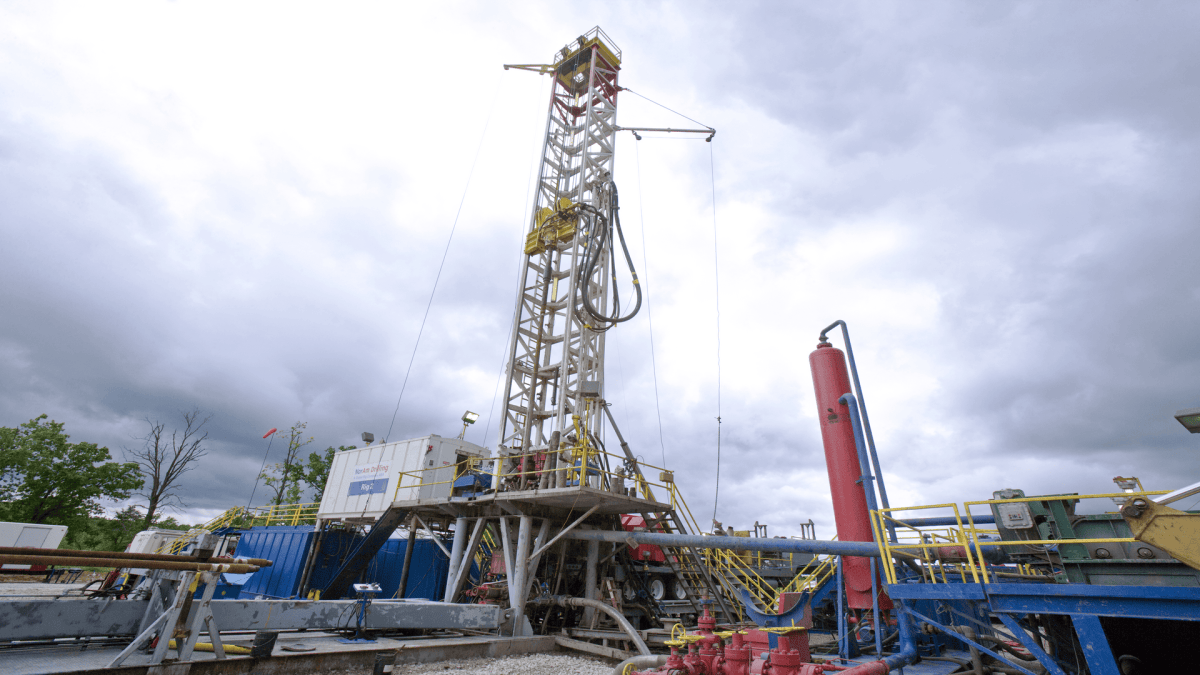
The platform will feature six laboratories and accommodation for 238 crew members and researchers.
-
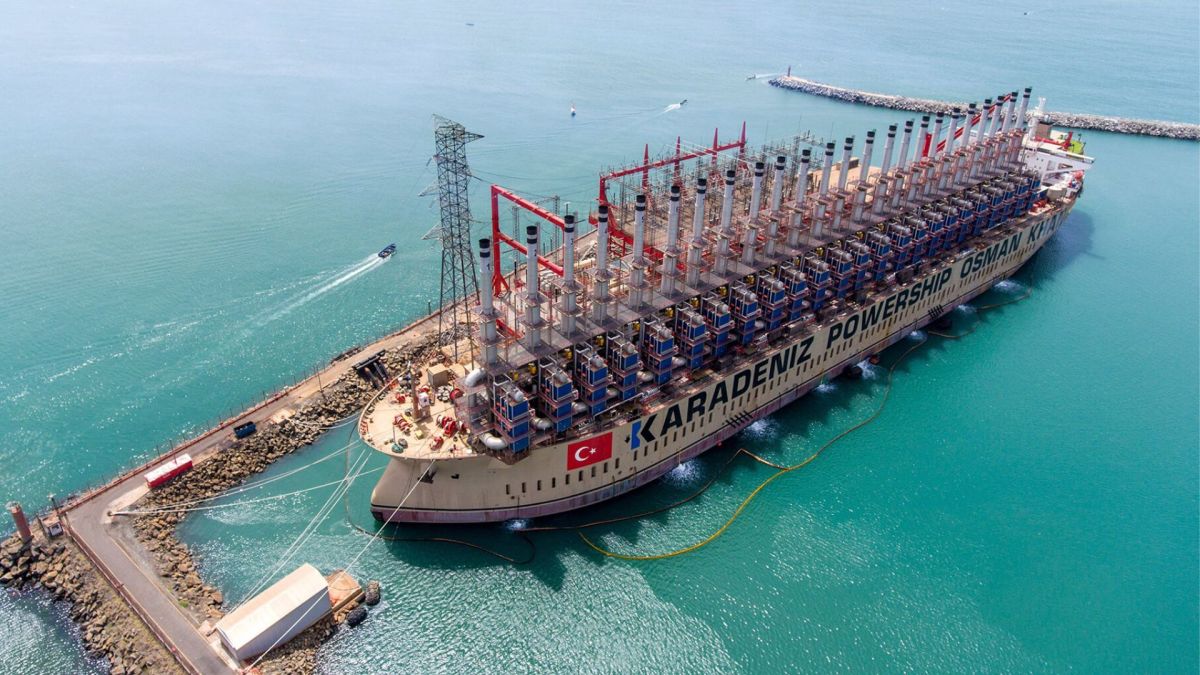
Karpowership’s plug-and-play vessels connect to coastal substations to generate electricity within 30 days of arrival.
-
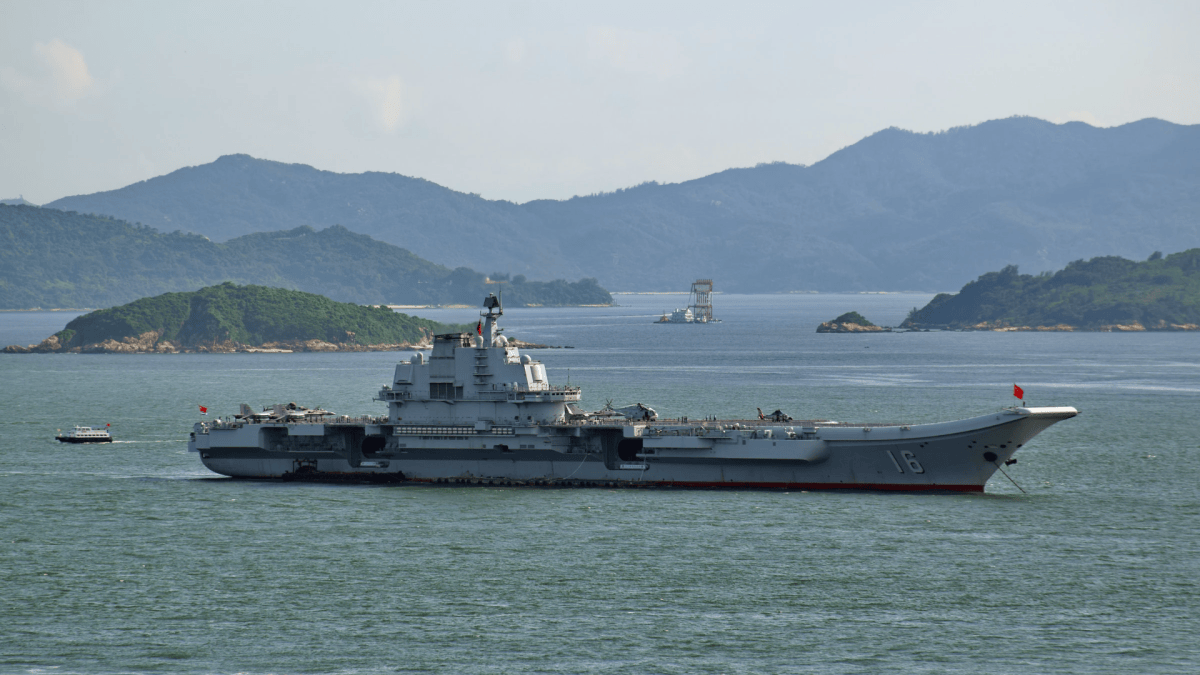
The Chinese carrier’s deployment overlaps with a multinational exercise involving the USS Theodore Roosevelt and allied warships from Japan, Australia, Canada and France.
-
Global underground CO₂ storage reached record numbers in 2024.
-
Lockheed Martin is targeting faster production and more affordable defenses.
-
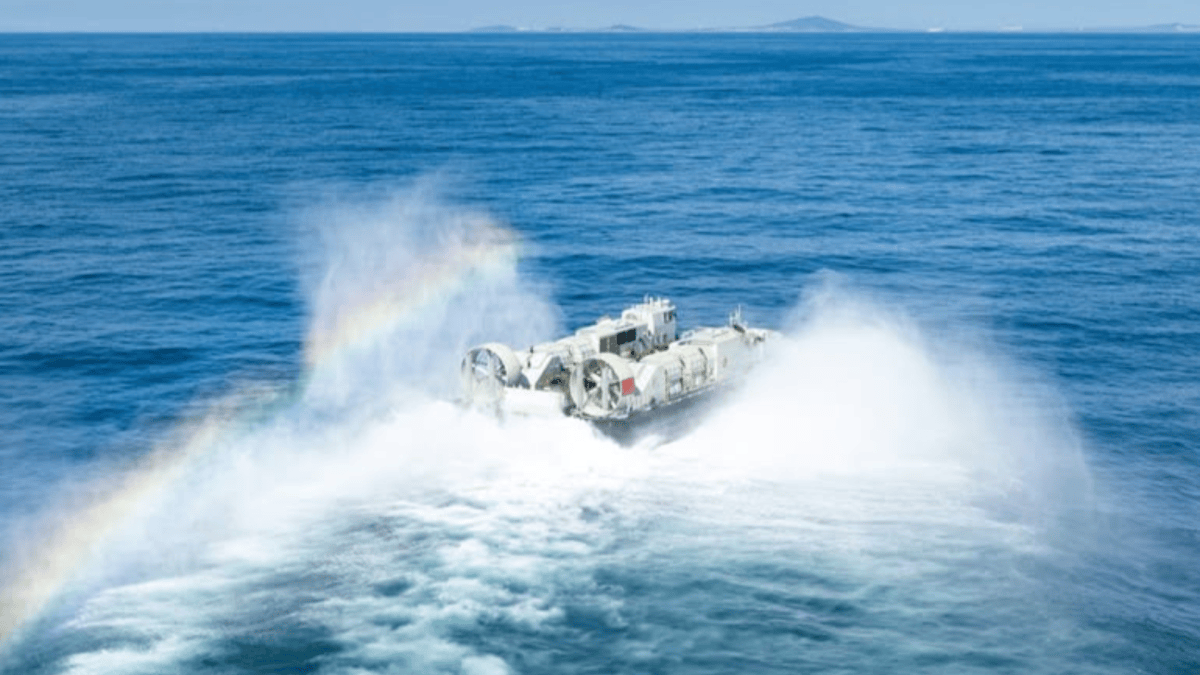
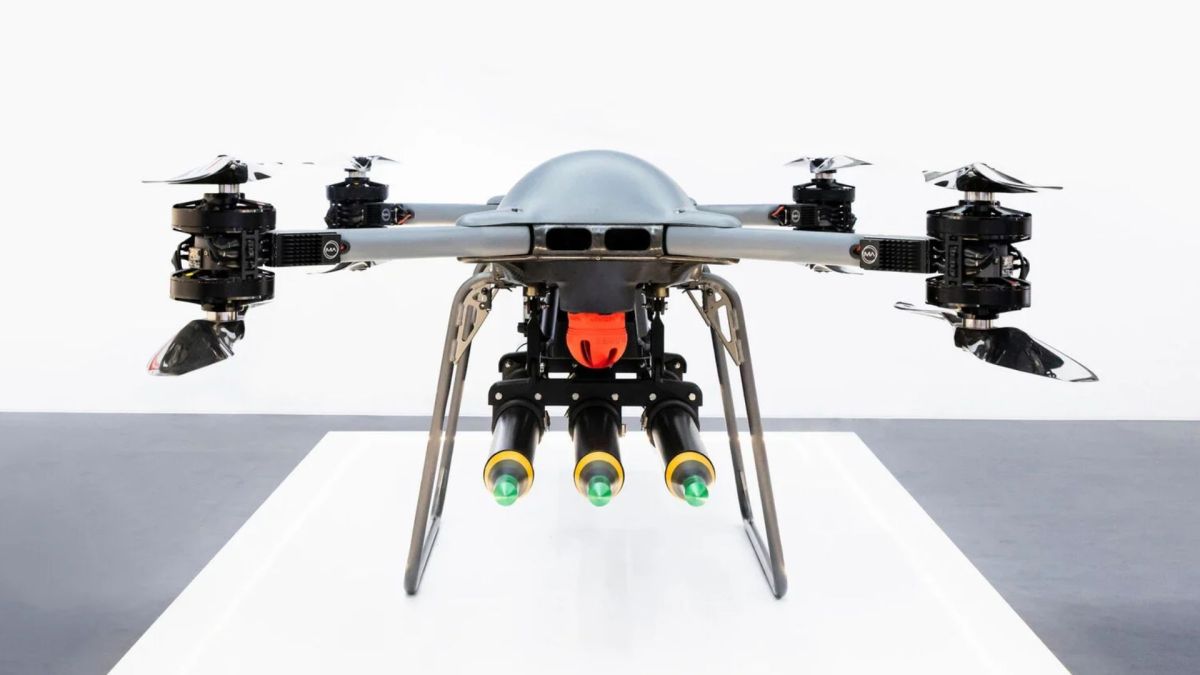
Built to deliver supplies, the TRV-150 has taken on a new role: intercepting attack drones with laser-guided rockets.
-
China is adapting military training and defenses using Ukraine’s battlefield lessons.
-
A cosmic breakup could leave behind tiny black holes, and researchers think gamma-ray telescopes may offer a way to hunt for their traces.
-
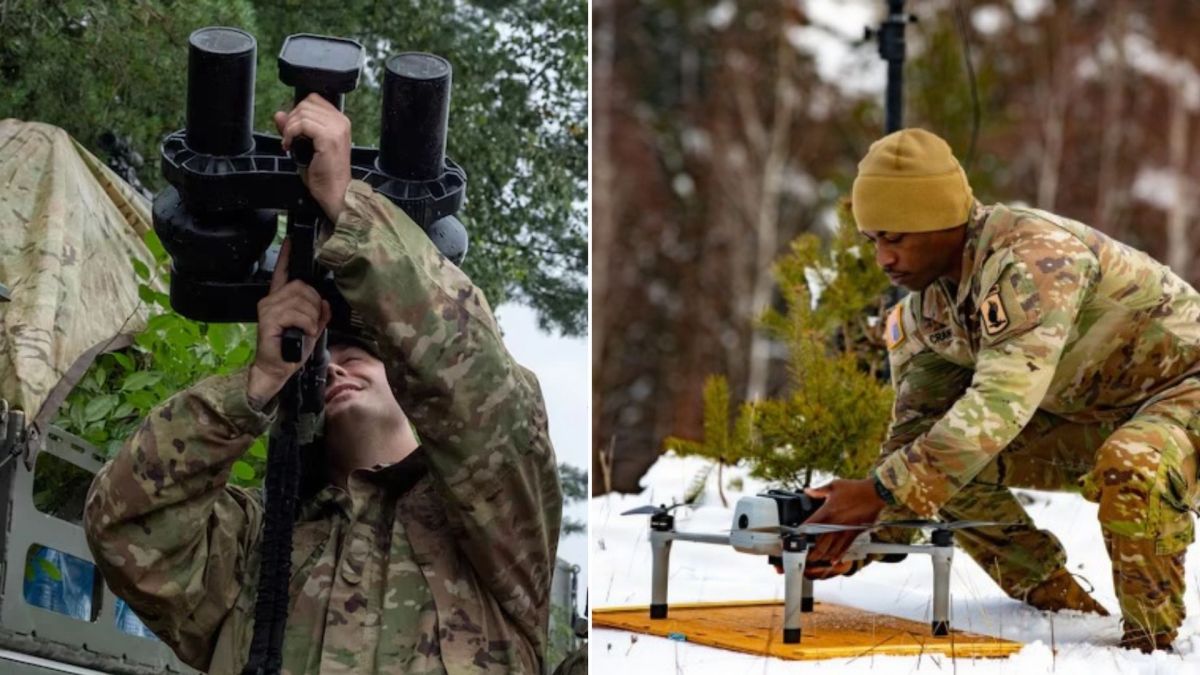
US military combines electronic warfare, directed energy, guns and autonomous interceptors to defend against increasingly diverse drone threats
-
The system works best in hot, dry climates with low humidity.

Got any book recommendations?